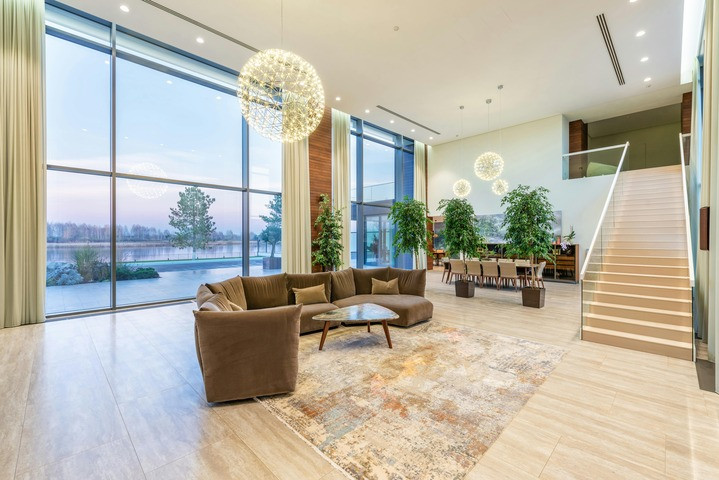
Stair railings combine safety with style for both indoor and outdoor spaces. They offer stability, meet building code requirements, and contribute to the overall visual appeal of a space. At Capitol Iron Works, our team helps with the process from initial planning to final installation. Each project involves careful measurement, material selection, fabrication, and more. Here's what to expect during a stair railing installation:
Choosing Between Interior and Exterior Railings
The installation process depends on whether it's indoors or outdoors, because each option requires different components. Interior railings offer aesthetic appeal and integration with finishes, while exterior railings are exposed to weather and other environmental stressors. The materials can range from glass and plastic to metal finishes.
Professionals take measurements to assess stair height, slope, landing size, and mounting points. Installers evaluate wall structure and stair material, and they review the surrounding surfaces so the railing is properly anchored. Exterior railings include corrosion resistance, drainage, and long-term durability.
Metal railings offer features like strength and design flexibility. Different finishes help complement interior aesthetics or provide extra protection outdoors. Once measurements and materials are finalized, fabrication begins to make sure the railing is custom-fit to the space rather than adjusted on-site. At Capitol Iron Works, our team specializes in stair railing installation using high-quality materials for both indoor and outdoor spaces.
Fabricating Safe Staircase Railings
Staircase railings are engineered specifically to follow the geometry and function of a staircase. Whether the stairs are straight, curved, or multi-level, the railing must align precisely with each rise, landing, and transition while maintaining consistent height and spacing. Professional fabrication verifies that the railing integrates seamlessly with the home’s architectural style without compromising usability.
Before installation, each staircase railing is reviewed for compliance with local building codes, including handrail height, baluster spacing, and load-bearing requirements. After fabrication, the railing is installed and anchored directly to steps or structural supports. Final inspections confirm proper alignment and continuous support along the entire staircase to provide long-term safety and reliability.
Building Custom Railings
Custom railings focus on personalization and material selection while still meeting safety standards. Clients can choose from a wide range of materials such as iron, aluminum, cable, or glass. These materials will complement both interior and exterior spaces. These railings are designed to enhance decks, balconies, and architectural features beyond staircases.
For exterior applications, materials are selected and finished to withstand weather exposure and maintain durability over time. Protective coatings and finishes help preserve appearance and performance. At Capitol Iron Works, our team collaborates with clients to refine designs that align with their goals — whether decorative, modern, or traditional — while providing a secure protective barrier that adds value and curb appeal to the property.
Get Started on Your Stair Railing Installation
A stair railing installation is a detailed process that combines engineering and craftsmanship. From interior and exterior railings to staircase systems, our team at Capitol Iron Works provides services for various materials, such as glass, iron, aluminum, and more. Contact our team today to learn more about our design process and how we can customize your railings for any project.